
The Unseen Leak: Connecting Our Living Rooms to the Deep Blue
When we think of ocean conservation, the mind often drifts toward images of plastic-free beaches, protected coral reefs, or the banishment of heavy industrial runoff. We rarely think of the caulking around our window frames or the thickness of the insulation in our attics. Yet, in the modern architectural landscape, the 'building envelope'—that physical separator between the conditioned interior and the unconditioned exterior—is becoming one of the most critical frontiers in the fight to stabilize marine temperatures.
The logic is as invisible as the air we breathe, but its impact is profound. Buildings are responsible for approximately 40% of global energy consumption and a significant portion of greenhouse gas emissions. By sealing up our buildings, we aren't just lowering utility bills; we are directly mitigating the thermal load placed upon the world’s oceans. To understand how a drafty office building in Chicago affects a kelp forest in the Pacific, we must look at the journalistic reality of our current energy crisis.
The Physics of Thermal Leakage
In the world of energy efficiency, we speak often of 'thermal bridges'—points in a building's structure where heat is allowed to bypass insulation. In the winter, heat escapes; in the summer, it infiltrates. To compensate for these flaws, HVAC systems must work overtime, burning fossil fuels or drawing from a grid that is still largely reliant on carbon-heavy sources. This process releases carbon dioxide and other greenhouse gases into the atmosphere, which act as a blanket, trapping solar radiation.
The Ocean as the Planet’s Heat Sink
The ocean is a silent hero in this thermodynamic exchange. It has absorbed more than 90% of the excess heat trapped in the atmosphere by greenhouse gas emissions since the 1970s. While the air temperature fluctuates, the ocean remains a steady, massive heat sink. However, this capacity is not infinite. As we continue to leak energy from inefficient structures, the ocean continues to warm, leading to coral bleaching, disrupted migration patterns, and the melting of polar ice. When we seal a building, we are, in effect, reducing the amount of 'work' the ocean has to do to keep the planet habitable.
Strategic Interventions: How We Close the Gap
Modernizing our infrastructure requires more than just better lightbulbs. It requires a holistic approach to building science that prioritizes airtightness and thermal resistance. The industry is currently shifting toward a 'fabric first' approach, which emphasizes the building's permanent structure over its mechanical systems. By focusing on the following areas, we can significantly reduce the carbon footprint that eventually warms our waters:
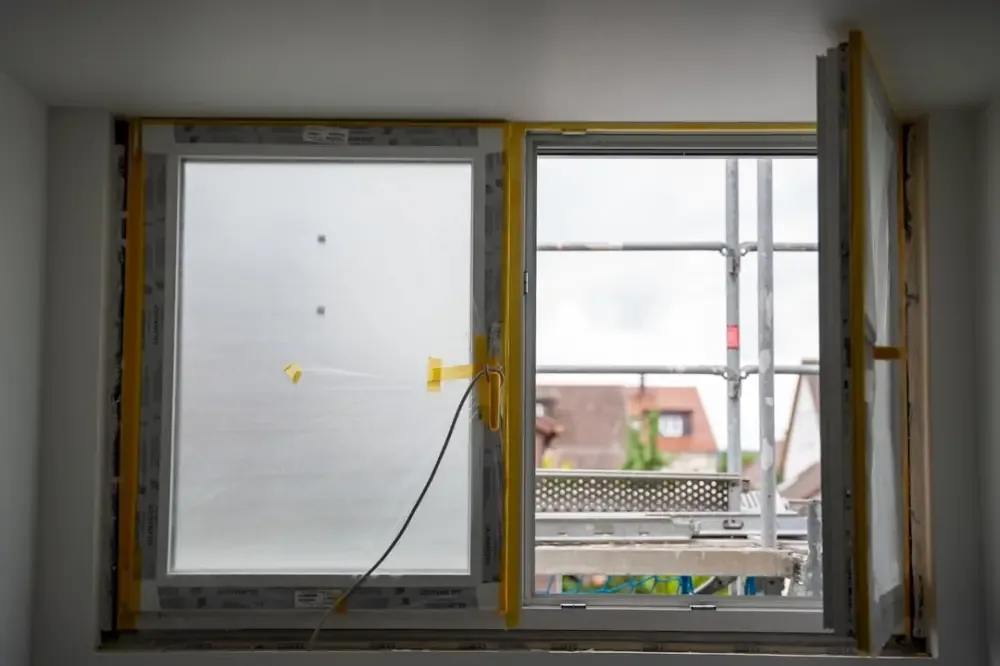
- High-Performance Glazing: Moving beyond double-pane windows to triple-glazing with low-emissivity coatings that reflect heat back to its source.
- Continuous Insulation: Eliminating thermal bridges by wrapping the entire building structure in a seamless layer of insulation, preventing the 'seepage' of energy.
- Airtightness Testing: Using blower-door tests to identify microscopic gaps in the building skin where conditioned air escapes, ensuring that energy spent on climate control isn't wasted.
- Smart Ventilation: Implementing Energy Recovery Ventilators (ERVs) that swap out stale indoor air for fresh outdoor air without losing the thermal energy in the process.
The Ripple Effect: From Insulation to Marine Biodiversity
The correlation between building efficiency and ocean health is a classic example of a ripple effect. When a city implements stricter building codes—such as the Passive House standard—the demand on the local power grid drops. This reduction in demand means fewer peaking power plants need to run, which in turn reduces the volume of carbon dioxide entering the atmosphere. With less carbon dioxide trapping heat, the rate of ocean warming begins to stabilize.
This stabilization is vital for marine biodiversity. Many oceanic species are highly sensitive to even a half-degree change in water temperature. For example, the symbiotic relationship between coral and algae breaks down at elevated temperatures, leading to mass bleaching events. By viewing our homes and offices as part of a global thermal system, we begin to see that energy efficiency is not a dry, technical requirement, but an act of environmental stewardship.
The Economic and Moral Imperative
As we observe global trends, it is clear that the 'green building' movement is no longer a niche interest for the eco-conscious elite. It is becoming an economic necessity. Governments are increasingly tying building performance to carbon taxes and incentives. From a journalistic perspective, the narrative is shifting from 'how much does it cost to insulate?' to 'what is the cost of our collective inefficiency?'
The data suggests that retrofitting existing structures is just as important as building new, efficient ones. The 'sealing up' of our global building stock represents one of the lowest-hanging fruits in climate mitigation. It requires no experimental technology; it simply requires the application of existing physics and a commitment to better craftsmanship.
Conclusion: A Cooler Future Starts Indoors
The health of our high seas is inextricably linked to the integrity of our built environment. Every gap filled with spray foam, every window replaced with a high-efficiency alternative, and every attic reinforced with better insulation serves as a shield for the ocean. We are learning that the most effective way to keep the sea cool is to keep our indoor air where it belongs.
As we continue to analyze the patterns of global energy use at High Seas, the conclusion remains clear: the path to a thriving marine ecosystem begins in the very walls that surround us. Energy efficiency is the silent guardian of the deep, proving that sometimes, the best way to save the world is to simply fix the leaks in our own homes.