
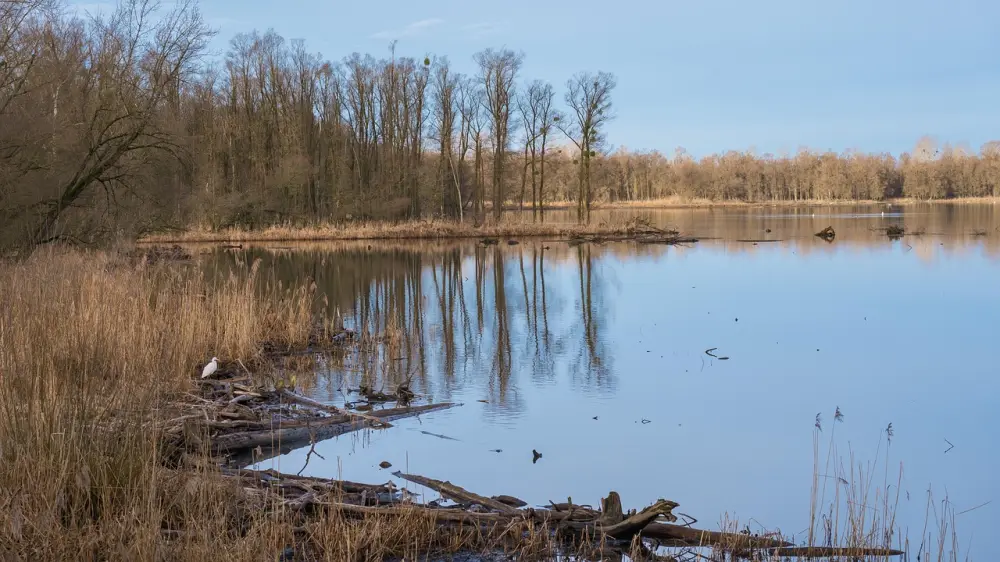
Marine protected areas (MPAs) are designated regions of the ocean where human activities are managed or restricted to conserve biodiversity and cultural resources. These zones range from strictly protected "no-take" reserves to areas allowing sustainable fishing. By limiting industrial exploitation, MPAs help restore fish populations, protect endangered habitats, and enhance the ocean’s resilience against climate change.
Establishing these zones involves integrating data from satellite monitoring, local fishing records, and environmental impact assessments. Effective MPAs balance the needs of coastal economies with the biological necessity of blue carbon sequestration and habitat recovery, ensuring that the infrastructure of our global food and climate systems remains functional in 2026 and beyond.
At their most basic level, MPAs act as a insurance policy for the ocean. While terrestrial parks like Yellowstone are familiar to the public, marine versions are often harder to visualize because their boundaries exist beneath the surface and across vast stretches of water. These areas are not just about protecting pretty scenery; they are functional tools used by governments and international bodies to manage resources that are otherwise subject to the "tragedy of the commons." For example, the Papahānaumokuākea Marine National Monument in the Pacific covers nearly 1.5 million square kilometers, protecting thousands of species, many of which are found nowhere else on Earth.
The International Union for Conservation of Nature (IUCN) provides the standard framework for these zones. A common misconception is that every MPA is a "no-entry" zone. In reality, most allow for various levels of human interaction, provided those activities do not degrade the primary conservation objectives. Some MPAs focus on protecting a specific species, like the North Atlantic Right Whale, while others protect entire ecosystems, such as coral reefs or seagrass meadows that serve as nurseries for commercial fish stocks.
How Ocean Conservation Zones Restore Marine Life
The primary biological goal of an ocean conservation zone is the restoration of biomass and biodiversity. When a specific area is closed to heavy industrial fishing or bottom trawling, the ecosystem begins a process of self-repair. We see this clearly in places like Cabo Pulmo in Mexico, where a former fishing community transformed their waters into a strictly protected reserve. Within a decade, the total fish biomass increased by over 400%, turning a depleted reef into one of the most robust marine environments in the world.
One of the most practical benefits of these zones is the "spillover effect." As fish populations within the protected area grow and reach carrying capacity, adult fish and larvae move beyond the boundaries into adjacent waters. This means that sustainable fishing is key to marine health because it relies on these protected reservoirs to replenish the stocks that are harvested elsewhere. Without these "seed banks," commercial fishing fleets would eventually exhaust the very resources they depend on.
Beyond fish, these zones protect critical habitats that act as carbon sinks. Mangroves, salt marshes, and seagrasses sequester carbon at rates significantly higher than tropical rainforests. By preventing coastal development or destructive anchoring in these areas, MPAs contribute directly to global climate stability. In 2026, the focus has shifted toward "climate-smart" MPAs—zones designed specifically to protect areas that will remain thermally stable as ocean temperatures rise, providing a refuge for species migrating away from warming waters.
The Role of Environmental and Indigenous Law
The legal framework for marine protection is a complex layering of national legislation and international treaties. Within a country's Exclusive Economic Zone (EEZ), which extends 200 nautical miles from the coast, the national government has the authority to establish and enforce MPAs. These laws regulate everything from oil and gas exploration to the types of nets a fishing vessel can use. However, the success of these laws often depends on the inclusion of local communities and indigenous peoples.
Indigenous-led conservation has proven to be one of the most effective models for marine protection. In many parts of the Pacific, traditional management systems like the "tabu" zones—temporary closures of fishing grounds—have been used for centuries to manage reef health. Modern legal frameworks are increasingly recognizing these Locally Managed Marine Areas (LMMAs). By combining traditional ecological knowledge with modern satellite surveillance, these communities can manage their resources more effectively than a distant federal agency might. This local buy-in ensures that the rules are followed not just because of the threat of a fine, but because the community understands the direct link between protection and their own food security.
Enforcement remains the largest hurdle in environmental law. In 2026, many jurisdictions are utilizing the Automatic Identification System (AIS) to track vessel movements in real-time. If a commercial trawler enters a no-take zone, the system flags the violation immediately. This data-driven approach allows smaller nations with limited coast guard resources to monitor vast areas of the ocean. Strengthening these legal protections ensures that ocean conservation impacts the future of global biodiversity by creating enforceable boundaries that deter illegal, unreported, and unregulated (IUU) fishing.
Different Levels of Marine Protection and Zonation
Not all marine protection is created equal. To manage the competing interests of conservation, tourism, and industry, many MPAs use a system of zonation. This is similar to urban zoning, where different blocks are designated for residential, commercial, or industrial use. A single large MPA might contain several different types of zones, each with its own set of rules.
- Strict Nature Reserves (Category Ia): These are the most restrictive zones, often limited to scientific research and monitoring. Human presence is kept to an absolute minimum to allow the ecosystem to function without any external interference.
- No-Take Zones: These areas prohibit all forms of extraction, including fishing and mining. They are the most effective for increasing fish biomass and protecting spawning grounds.
- Buffer Zones: These surround no-take areas and allow for low-impact activities like snorkeling, diving, or artisanal fishing with traditional gear.
- Sustainable Use Zones: These areas allow for commercial activities but under strict regulations. This might include limits on catch sizes, specific seasons for fishing, or bans on certain types of gear like bottom trawls that damage the seafloor.
The Great Barrier Reef Marine Park is a prime example of this multi-tiered approach. It is a mosaic of different zones that allow for tourism and some fishing while keeping large swaths of the reef strictly protected. This flexibility makes it easier to gain political and public support for large-scale conservation projects, as it doesn't completely shut down local economies. However, scientists emphasize that for an MPA network to be effective, a significant percentage—ideally 30%—must be designated as highly or fully protected no-take zones.
Protecting Biodiversity in the High Seas
The "High Seas" refer to the parts of the ocean that lie beyond national jurisdiction—roughly two-thirds of the total ocean. For decades, this was the "Wild West," with very few rules and almost no mechanisms for establishing protected areas. This changed with the adoption of the Biodiversity Beyond National Jurisdiction (BBNJ) Treaty, also known as the High Seas Treaty. This landmark agreement provides a legal pathway to create MPAs in international waters, which is essential for meeting the global "30x30" goal—the commitment to protect 30% of the world's oceans by 2030.
Protecting the High Seas is critical because these waters contain unique ecosystems like hydrothermal vents, seamounts, and the vast pelagic zones where migratory species like tuna, sharks, and whales spend most of their lives. Seamounts, in particular, are hotspots for biodiversity, acting as undersea mountains that deflect currents and bring nutrients to the surface. Without protection, these areas are vulnerable to deep-sea mining and industrial overfishing, which can destroy habitats that take thousands of years to form.
In 2026, the implementation of the High Seas Treaty is a primary focus for the international community. Establishing a High Seas MPA requires consensus among multiple nations, making it a masterpiece of diplomacy and scientific cooperation. These zones are monitored through a combination of satellite imagery, underwater drones, and environmental DNA (eDNA) sampling, which allows researchers to identify the species present in a body of water simply by analyzing a few liters of it. This technological integration is making it possible to protect the most remote parts of our planet for the first time in history.
First Steps for Strengthening Marine Protected Areas
- Start by consulting the World Database on Protected Areas (WDPA) to identify existing conservation zones in your region and understand their specific level of protection.
- The first step toward active involvement is participating in public consultation periods led by marine management authorities when new zonation plans are proposed.
- To begin contributing to local data, engage with citizen science programs that monitor coastal biodiversity, as this data often informs the expansion of protected boundaries.
- Ensure your consumer choices support these zones by sourcing seafood from providers that verify their catch locations are outside of designated no-take reservoirs.
- Finally, advocate for the swift ratification of the High Seas Treaty within your national legislature to extend these protections into international waters.
Connect with Our Global Marine Community
Understanding the mechanics of marine protected areas is the first step toward supporting a more sustainable relationship with our oceans. At High Seas, we look at the ocean not as an isolated wilderness, but as a core component of our global infrastructure. The health of the deep sea is inextricably linked to the systems we use every day, from the minerals required for EV infrastructure and data center cooling to the plastic waste management systems in our cities and the transparency of our sustainable fishing supply chains.
Practical conservation requires moving beyond abstract goals and looking at the specific data and legal frameworks that make protection possible. Whether it is supporting the expansion of no-take zones or advocating for stronger enforcement of the High Seas Treaty, the goal is to build an ocean that is resilient enough to support both biodiversity and human industry. By focusing on efficient systems and evidence-based management, we can ensure that the marine environment continues to regulate our climate and provide food security for the long term. We invite you to explore these connections further and join a community dedicated to practical, science-grounded ocean conservation.